Micro-Credentialing in Higher Education: Building Tomorrow’s Workforce, One Skill at a Time
The workplace is changing at a rate never seen before. Certain jobs are becoming obsolete due to automation, artificial intelligence, and the green economy, while new types of work are being created. By 2027, the World Economic Forum predicts that over 40% of essential job skills will be disrupted. Micro-credentials have become a potent solution to this problem — brief, targeted, and assessed certifications that validate a particular set of competencies.
A micro-credential is the record of learning outcomes that a learner has acquired following a small volume of learning. These learning outcomes have been assessed against transparent and clearly defined standards.
European Commission, 2022
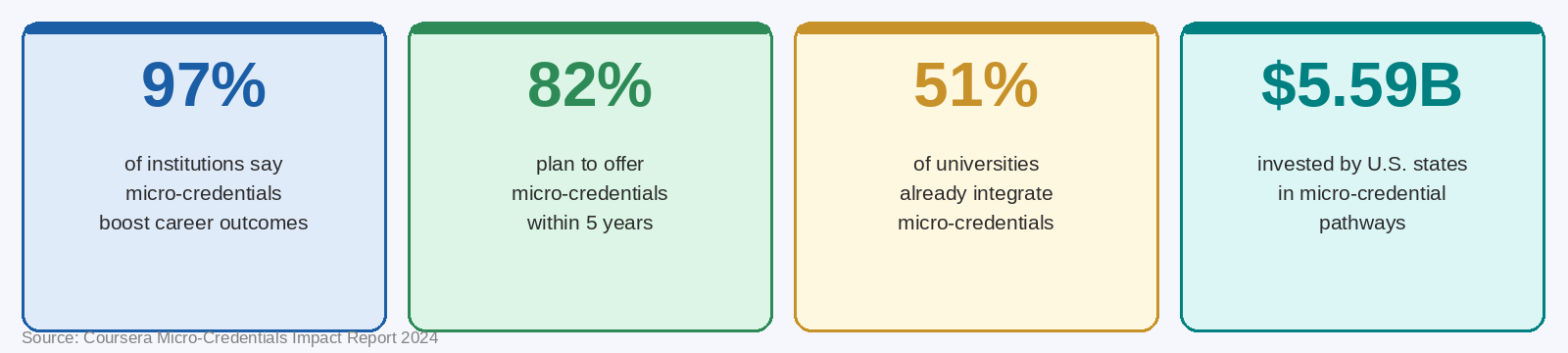
Key Global Statistics — Coursera Micro-Credentials Impact Report 2024
The Numbers Speak: Adoption at a Global Scale
The shift toward micro-credentialing is no longer a fringe movement — it is a mainstream transformation in higher education. According to Coursera’s Micro-Credentials Impact Report 2024, which surveyed more than 1,000 campus leaders from over 850 institutions across 89 countries, over half of the world’s universities now integrate micro-credentials into their curricula.
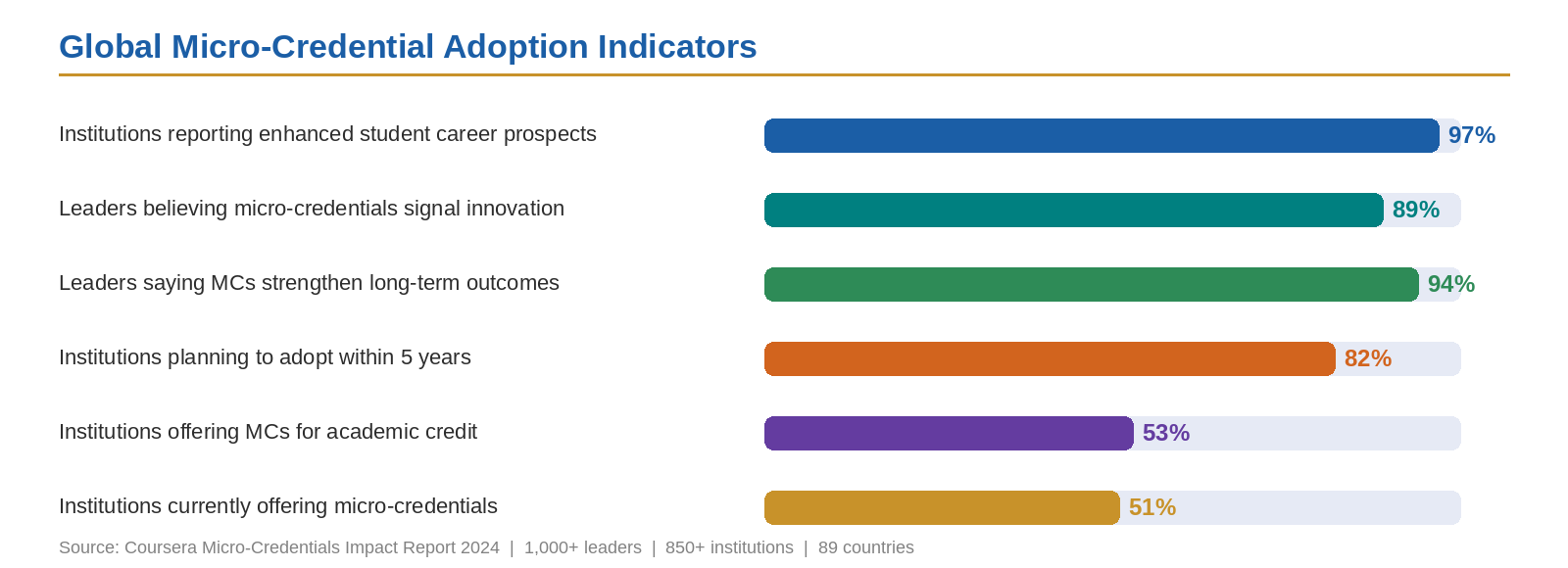
Figure 1: Global adoption indicators — Coursera Micro-Credentials Impact Report 2024
Four Core Advantages of the Micro-Credential Approach
Speed & Relevance
Micro-credentials can be designed, approved, and launched far faster than conventional programmes. This agility means that as industries evolve — in AI, cybersecurity, renewable energy, or healthcare — education keeps pace.
Accessibility & Inclusion
Delivered online and in blended formats, micro-credentials remove geographic and financial barriers to quality education. Learners in underserved communities, rural areas, or developing economies can access the same industry-recognised credentials.
Recognition of Non-Formal Learning
One of the most democratising features is their ability to formally validate skills acquired outside the classroom — on the job, through volunteering, or via self-directed study.
Cost-Effectiveness
The financial investment for a micro-credential is significantly lower than a postgraduate degree, while delivering targeted, career-relevant value. The U.S. has allocated over $5.59 billion in state funding, establishing 70 micro-credential initiatives across 32 states.
Who Benefits — Students, Institutions, and Employers
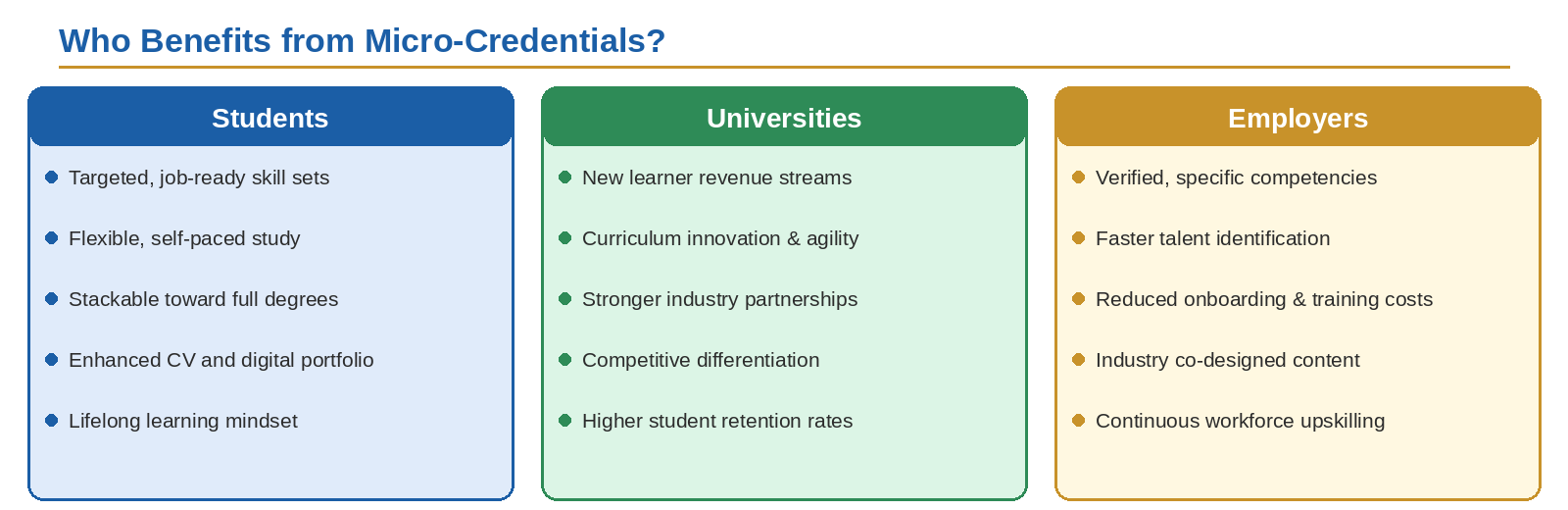
Figure 2: Benefits across three key stakeholder groups
For students, micro-credentials provide proven, stackable skills that stand out in competitive job markets. For institutions, they unlock new learner segments — working adults, career-changers, and professionals seeking CPD. For employers, they solve the persistent gap between what graduates know and what the job truly requires.
Micro-Credentials and the Sustainable Development Goals
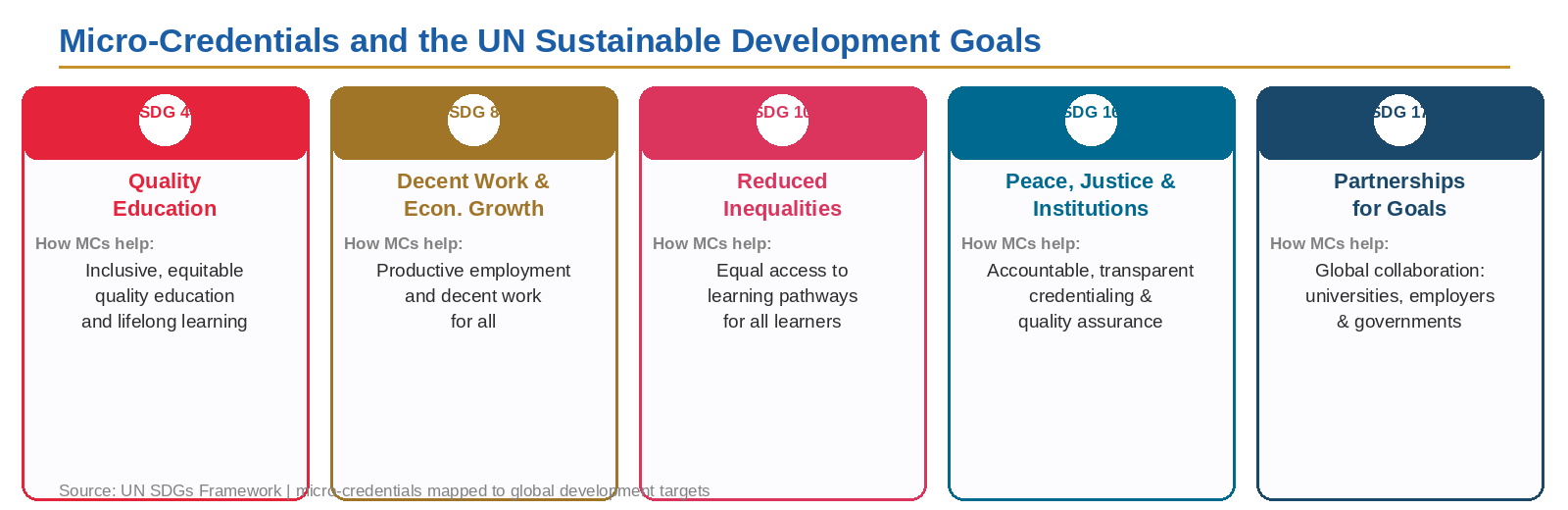
Figure 3: Micro-credential alignment with UN Sustainable Development Goals
Micro-credentials democratise access to quality, relevant learning for all ages and backgrounds (SDG 4), accelerate pathways to productive employment (SDG 8), reduce the education and skills gap between communities (SDG 10), build accountability in education institutions (SDG 16), and thrive through multi-stakeholder collaboration (SDG 17).
The 5-Phase Implementation Framework
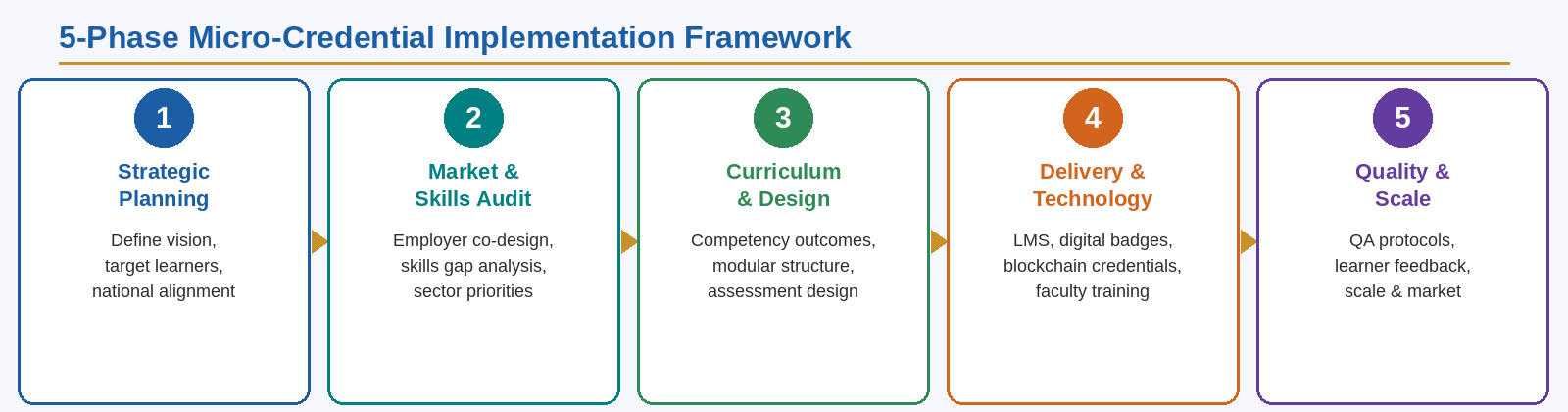
Figure 4: Five-phase micro-credential implementation framework
- Strategic Planning: Define vision, target learners, and national alignment.
- Market & Skills Audit: Employer co-design, skills gap analysis, and sector priorities.
- Curriculum & Design: Competency-based outcomes, modular structure, and assessment design.
- Delivery & Technology: LMS, digital badges, blockchain credentials, and faculty training.
- Quality & Scale: QA protocols, learner feedback, and market expansion.
Conclusion
Micro-credentials constitute one of the most significant structural changes in the history of higher education. They solve urgent problems: the accelerating obsolescence of skills, the inaccessibility of traditional education for millions of adult learners, and the chronic disconnect between educational programmes and employer needs.
The institutions that embrace micro-credentialing today — thoughtfully, strategically, and sustainably — will shape the future of education for generations to come. The question is not whether to act. The question is whether to lead.